Scottsdale, AZ 85260

Dementia & Alzheimer's Care

Cognitive decline doesn't move in a straight line — and care shouldn't either. At Encompass, a nurse practitioner oversees every care plan, and our 10-bed home adapts as the disease changes.

DNP / FNP-BC Led 24/7 Awake Staff Secured Home
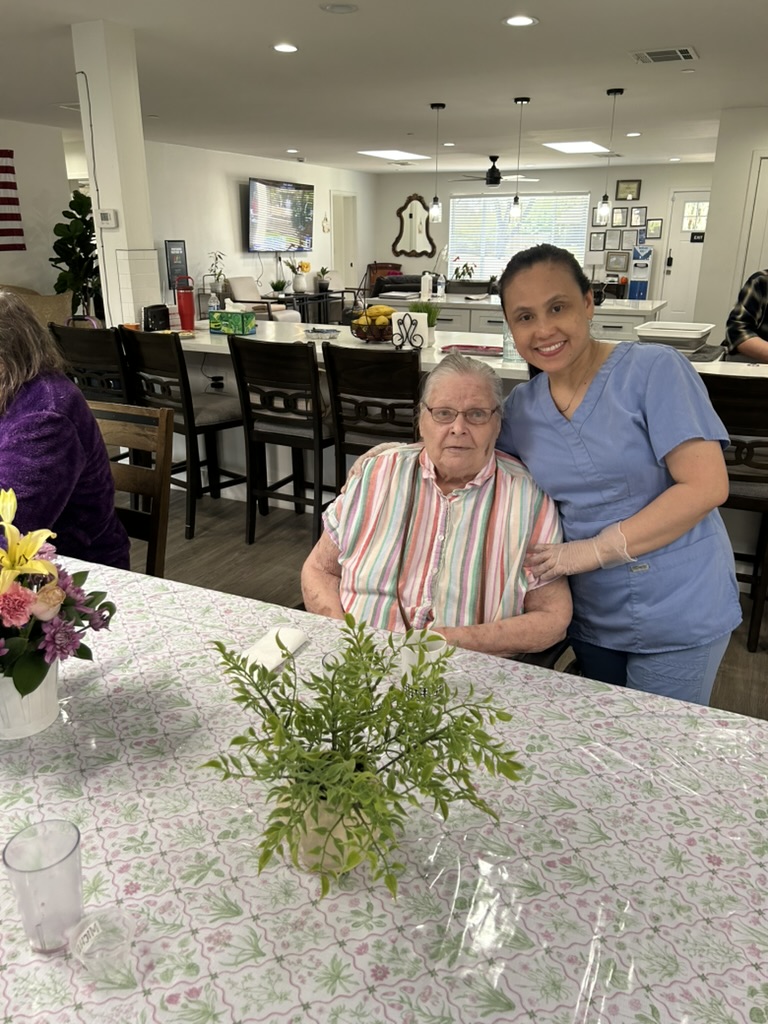
A caregiver supporting a resident living with dementia at Encompass in Scottsdale
1:1
attention a 10-bed home makes possible — the changes get noticed early.

How Care Changes Across Stages

Dementia and Alzheimer's progress over years, not weeks. The right home meets each stage — without forcing a move every time needs change.

01

Early Stage

Memory lapses, repeated questions, and difficulty with planning. Here, care is mostly about structure, gentle cueing, safety in the background, and preserving independence and dignity for as long as possible.

02

Middle Stage

Increased confusion, wandering, sundowning, and more help needed with daily tasks. Routines, environment, and consistent caregivers become essential. This is where a small, familiar home truly shows its value.

03

Late Stage

Significant care needs, limited mobility and communication. We coordinate hospice and comfort-focused care so residents can stay in the home they know, surrounded by people who know them.

Care Plans Led by a Nurse Practitioner

Encompass is owned and clinically guided by Paige, a Doctor of Nursing Practice (DNP, FNP-BC). That isn't a marketing line — it changes how care decisions get made.

Every resident has an individualized care plan built around their diagnosis, history, and current stage, and it's reviewed and adjusted by a provider as the condition evolves. When something changes — a new behavior, a medication question, a decline — there's clinical judgment in the house, not a phone tree to an off-site nurse.

  • Provider-overseen care plans, updated as the disease progresses
  • Coordination with physicians, home health, and hospice
  • Family kept informed — real conversations, not status forms
Paige, DNP, FNP-BC — owner and clinical lead at Encompass Senior Living

Managing Behaviors, Wandering & Sundowning

The hard parts of dementia are easier to manage in a calm, consistent, secured home with staff who know each resident.

Wandering

Secured entries and a monitored, enclosed outdoor space let residents move freely and safely — so the answer to wandering is a safe path to walk, not a locked door.

Sundowning

Late-day agitation is met with predictable routines, calm lighting, lower stimulation, and one-on-one reassurance from a caregiver the resident recognizes.

Agitation & Anxiety

We focus on triggers, not just symptoms — adjusting the environment and routine first, with medication managed thoughtfully under clinical oversight when it's genuinely needed.

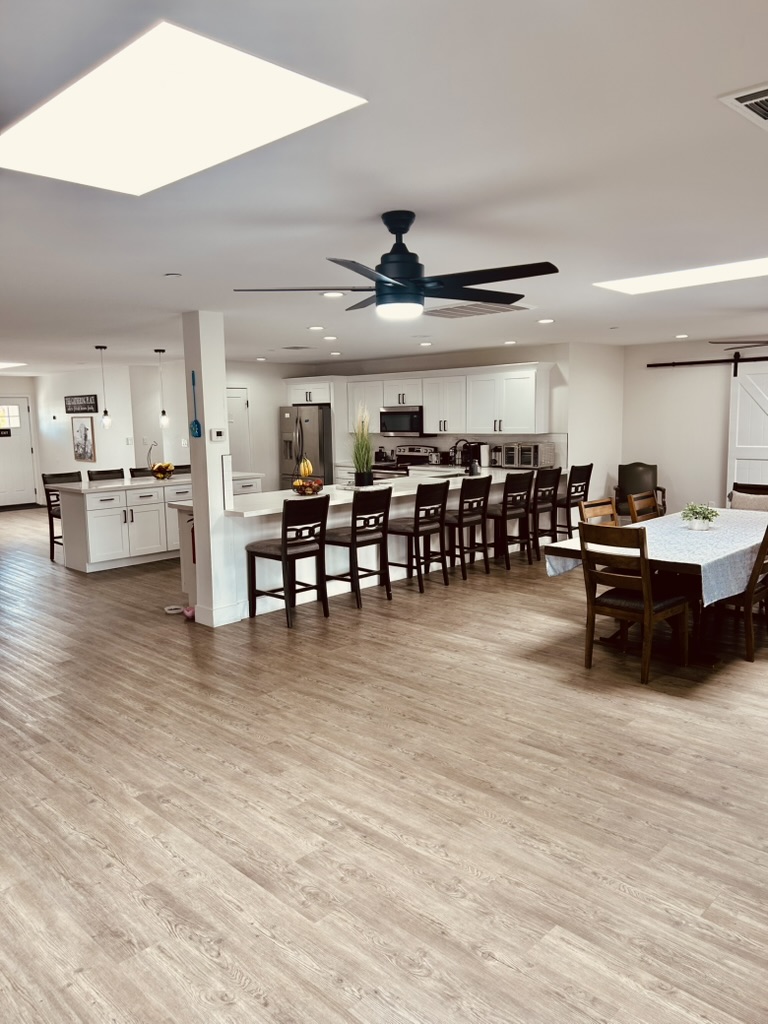
The shared kitchen and dining area at Encompass — a calm, homelike setting for memory care

Why a Small Home Suits Cognitive Decline

For someone whose world is becoming confusing, scale matters. Ten residents in a familiar house is fundamentally calmer than a hundred in a building.

Medications are administered and tracked on-site by trained staff, under nurse-practitioner oversight — no off-site pharmacy runaround for families. And because the setting is small, caregivers learn each resident's cues and catch subtle changes — a new confusion, a fall risk, a quiet decline — long before they'd surface in a larger facility.

  • On-site medication management and tracking
  • Fewer faces, familiar routines — less confusion and anxiety
  • Early detection of decline through consistent, attentive care

Not Sure What Stage You're Dealing With?

Bring your questions. We'll talk honestly about where your loved one is and whether Encompass is the right fit — no pressure, no sales pitch.

Schedule a Conversation (480) 584-4250

Dementia & Alzheimer's FAQ

What's the difference between dementia and Alzheimer's care?

Alzheimer's is the most common cause of dementia, but “dementia” covers several conditions — vascular dementia, Lewy body dementia, frontotemporal dementia, and others. At Encompass we care for residents across these diagnoses and tailor the care plan to the specific condition and stage, rather than treating them all the same.

Can my loved one stay as their dementia progresses?

In most cases, yes. Our aim is aging in place — we adjust the care plan and coordinate home health and hospice so residents can remain in a familiar home through later stages, rather than being moved each time their needs increase.

How do you handle wandering and exit-seeking?

The home has secured entries and a monitored, enclosed outdoor area, so residents have a safe space to move. Combined with 24/7 awake staff, this addresses wandering without an institutional, locked-down feel.

Who manages medications?

Trained staff administer and track medications on-site, under the oversight of our nurse-practitioner owner. Medication changes are handled thoughtfully and in coordination with the resident's physicians.

How do you manage sundowning and agitation?

We start with the environment and routine — predictable schedules, calm lighting, lower stimulation in the late afternoon, and one-on-one reassurance from familiar caregivers. Medication is used carefully and only when truly warranted.

Will I be kept informed about changes?

Yes. Because we're a small home, communication with families is direct and personal. You'll hear about meaningful changes from people who actually know your loved one.

How do we get started?

Call (480) 584-4250 or use the form below to schedule a visit. We'll talk through your loved one's situation and whether Encompass is the right fit.

Schedule Your Private Visit

See our secure, homelike setting for yourself and meet the team who would care for your loved one. We'll answer your questions honestly and walk through the care plan process.

  • Private tours, usually the same week
  • Meet the nurse-practitioner owner
  • Honest guidance on stage and fit
Request a Tour
We respond personally — usually within a few hours.