Families tend to over-pack for a move into memory care, and then under-pack the things that actually help. A full wardrobe and a flat-screen television are less useful than a worn quilt, a framed wedding photo, and clothes that can be put on without buttons. Here is what we've learned from a lot of move-in days.
Start with the room
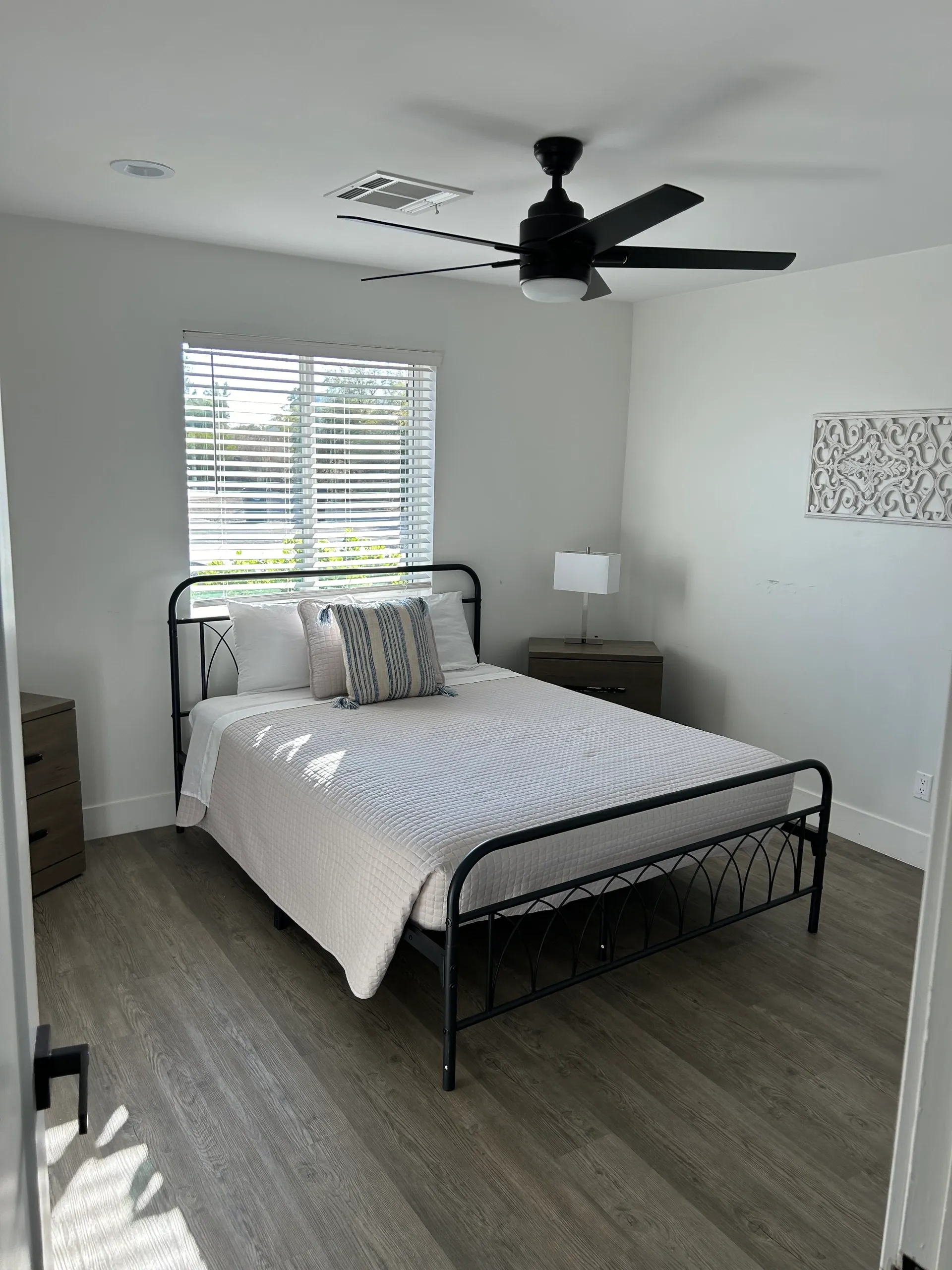
Ask the home for the dimensions and what's already provided. Most supply a bed, and many supply a dresser and nightstand. Bringing a favorite chair is almost always worth it; bringing a second dresser almost never is. Clutter is disorienting for a person with dementia, and a clear path from bed to bathroom matters more than anything decorative.
Bring: things that make it feel like home
- Their own bedding. A familiar quilt or blanket does more for the first night than anything else you can pack.
- Photos, framed and labeled. A few, not dozens. Write names and relationships on the back or on a small label; caregivers will use them to start conversations.
- One familiar chair. The one they always sat in, if it fits.
- A clock with a large face and the date. Orientation aids reduce anxiety.
- Music. A simple player loaded with songs from their twenties, or a list for the caregivers. Music reaches people with dementia when little else does.
- A small lamp. Overhead lighting is harsh; a warm lamp makes evenings calmer.
- Something to hold. A soft blanket, a familiar object, a stuffed animal if that's who they are. Hands need something to do.
Bring: practical items
- Seven to ten days of clothing, chosen for ease. Elastic waists, pullovers, front-closing cardigans, no complicated fasteners. More than that just fills drawers.
- Non-slip shoes with closed backs. Slippers and sandals are a fall risk.
- Toiletries they recognize. The same soap, the same lotion. Familiar smells are grounding.
- Glasses, hearing aids, dentures, with spares if they exist, and the case for each.
- Incontinence supplies if used, unless the home provides them. Ask.
- A copy of important documents: power of attorney, advance directives, insurance cards, current medication list. The home needs these on day one.
Seven to ten days of easy clothing beats a full wardrobe. Clutter disorients; a clear path from bed to bathroom matters more than anything decorative.
Label everything
Clothing goes through shared laundry. Iron-on or sew-in labels on every garment, including socks and underwear, save a great deal of frustration. Label glasses cases, hearing aid cases, and anything else that could wander. A permanent marker on the tag works if you're short on time.
Leave home: things that cause problems
- Valuables and jewelry. Anything that would be painful to lose. A wedding ring that no longer fits is a particular risk; consider a plain band or a chain.
- Cash and cards beyond a few dollars, if that.
- Medications. All medications are managed by the home. Bringing a bottle “just in case” creates a safety problem.
- Throw rugs. A trip hazard, and most homes won't allow them.
- Space heaters, candles, extension cords. Fire codes, and for good reason.
- A large television. Many residents with dementia find TV agitating rather than soothing, and the noise can disturb neighbors. A small one is fine if they genuinely use it.
- Too much of anything. You can always bring more. Taking things away is harder.
The first day
Set up the room before your parent arrives, if the home allows it. Walking into a space that already has their quilt on the bed and their photos on the wall is a different experience from watching boxes being unpacked. Keep the goodbye short and warm. The first few days are often hard, and most residents settle faster than their families expect.
Bring a written page for the caregivers: how your parent likes coffee, what they're afraid of, what calms them, what they did for work, the names of their children and grandchildren. That page will do more for their first week than anything in a suitcase.
The bottom line
Pack for familiarity and ease, not completeness. Their own bedding, a few labeled photos, one favorite chair, easy clothing, and recognizable toiletries. Leave valuables, medications, rugs, and anything you'd hate to lose at home.
And bring the page about who they are. Caregivers can learn a routine from a chart. They can only learn a person from you.